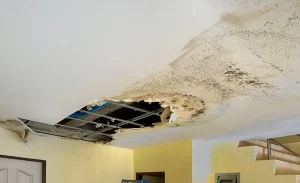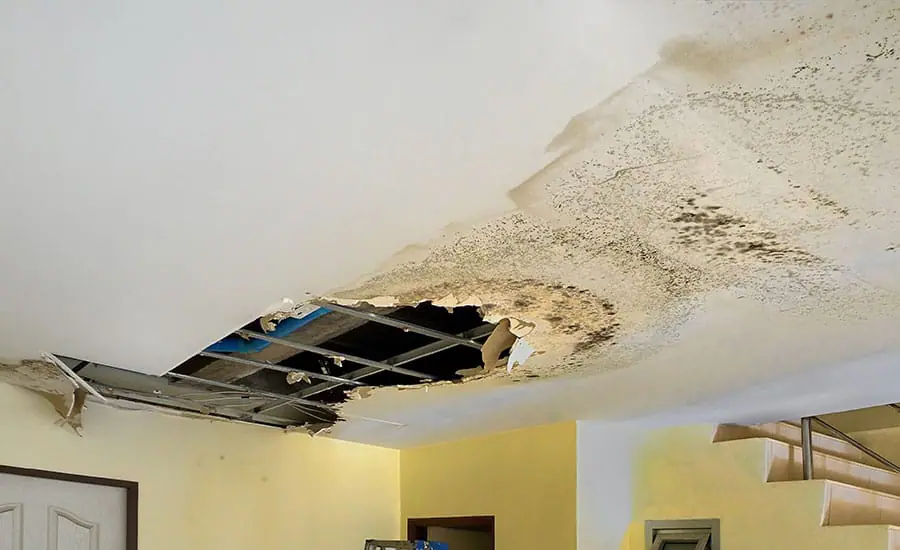
The sound of a rhythmic drip hitting a plastic bucket is probably one of the most sinking feelings a homeowner can experience. It usually happens right after a massive storm clears out, leaving you to deal with the literal fallout of the weather. If you notice water stains or active leaks, it is almost certain that your home’s first line of defense has been compromised. Finding reliable roof repair Heber City services should be your priority before the next clouds roll in. While a ceiling leak looks like an interior problem, the root cause is almost always hiding high above your living room.
The Stealthy Nature of Roof Leaks
Water is incredibly crafty. It does not always fall straight down from the hole in your roof to the spot on your ceiling. Instead, it follows the path of least resistance. It might enter through a loose shingle, run down a rafter, travel along a ceiling joist, and finally pool over your drywall feet away from the actual entry point.
By the time you see a brown circle forming on your white paint, the water has likely been sitting there for hours or even days. This delay is why you cannot just patch the ceiling and call it a day. You have to find the exact spot where the sky meets your attic.
Common Storm-Related Culprits
Storms bring a variety of weapons to the fight against your shingles. High winds are the most frequent offenders. They can catch the edge of an older shingle and peel it back or rip it off entirely. This leaves the underlayment exposed to the elements.
Hail is another major issue. Even small hailstones can bruise a shingle. And when that happens, this knocks off the protective granules that shield the asphalt from the sun. Once those granules are gone, the shingle becomes brittle and cracks. Debris, like falling tree branches, can also puncture the roof surface or crack the flashing around your chimney.
Why Flashing Matters
Many people assume a leak means a shingle is missing, but often the problem is the flashing. Flashing consists of those thin metal strips installed in the following areas:
- Chimneys
- Vents
- Valleys
Keep in mind that during a heavy storm, wind can lift these strips or pull them away from the sealant.
When flashing fails, water pours into the gaps in large volumes. Since these areas are designed to funnel water off the roof, a failure here is like having a wide-open window in your attic. Checking these transition points is a vital part of any post-storm inspection.
The Danger of Ignoring the Drip
It is tempting to wait until the next big rain to see if the leak happens again. That is a dangerous game to play. Even a tiny drip can lead to massive structural issues. Wood rot sets in quickly when rafters and plywood stay damp.
Beyond the wood, you have to worry about your insulation. Wet insulation loses its ability to keep your home warm and becomes a heavy, sodden mess that can actually cause your ceiling to collapse under the weight. Then there is the issue of mold. Mold loves dark, damp attics, and it can start growing within 24 to 48 hours of water exposure.
DIY Inspections vs Professional Help
You can do a quick check yourself by heading into the attic with a flashlight while it is still raining or shortly after. Look for wet spots on the wood or glints of water reflecting your light. Be careful not to step off the wooden beams, or you might end up falling through the ceiling yourself.
However, a professional roofer sees things the untrained eye misses. They know how to spot the subtle signs of wind lift and thermal cracking. They also have the right safety gear to get on a steep or slippery roof to check the spots you cannot see from the ground.
Final Word
Dealing with a leak is stressful, but catching it early saves you thousands of dollars in the long run. If you ignore those early warning signs, you are just inviting more damage into your home. Reaching out for professional roof repair Heber City will ensure that your home stays dry and your family stays safe. Do not wait for the next storm to test your luck again. Take care of your roof today so you can sleep soundly the next time the wind starts to howl.